
-
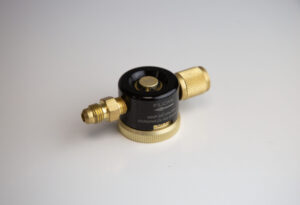
Javac Edge Nitrogen Purge Tool
£47.65 + VATPart No : JAV-1444 When performing repairs on refrigeration or air conditioning piping, it is important to purge the inside of the pipe with nitrogen to prevent oxidation in the joint area, both before and during the brazing process. This tool allows you to initiate the PURGE function at a pre-set regulated flow rate. Then,…
SKU: JAV-1444
-

TradeFox Nitrogen Purge Boot
£35.00 + VATTFXNPB The Nitrogen Purge Boot was designed to assist the technician in the purging and brazing process. O-rings fit and seal over various sizes of ACR tubing creating a “hands-free” and hassle-free solution between your nitrogen regulator and the refrigerant line. Works on 3/8″, 1/2″, 5/8″, 3/4″, 7/8″, and 1.1/8″ OD ACR pipe O-Rings are…
SKU: TFXNPB
-

CWB Nitrogen Regulator 50 Bar BR159
£90.50 + VATPart No : BR159 European standards specification BS EN ISO 2503 With rubber gauge protectors Inspect/replace data stamped Quality managed to ISO 9002
SKU: BR159
-

Mastercool Nitrogen Pressure Testing Regulator Kit – 53030
£185.00 + VAT53030 Mastercool’s new nitrogen regulator is specifically designed to meet the specifications of HVAC/R and automotive A/C systems. This single stage nitrogen regulator is used to test systems for leaks when they do not contain refrigerant. 1/4 Inch SAE flare outlet port, with a control valve, to keep the pressure on the regulator at all…
SKU: 53030
-
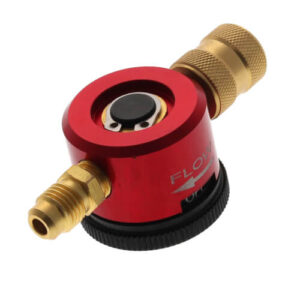
DiversiTech DP-1 Nitrogen Purge Tool
£57.39 + VATPart No : DP-1 The DiversiTech DP-1 Nitrogen Purge Tool is a quick and easy way to purge copper pipes with nitrogen. Then, with a turn of the dial, quickly switch to a very low flow of nitrogen to properly braze the copper. It has a durable aluminium design so you can just throw it…
SKU: DP-1
-

Javac Edge Nitrogen Pressure Testing Rig
£485.98 + VATRS-750-RIG The RS-750 JAVAC Nitrogen regulator and test rig has been designed specifically for use in the high pressure testing applications required for refrigeration and air conditioning systems operating with R410a. The RS-750 Pressure Test Rig has been developed using tried and tested materials combined with the latest design technology, resulting in a robust regulator that is…
SKU: RS-750-RIG
-
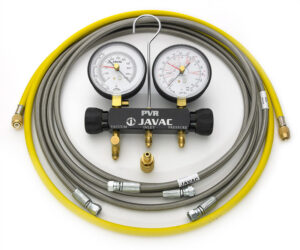
Javac PVR Nitrogen Pressure and Vacuum Manifold
£243.00 + VATPVR The PVR Manifold is a dual 2 in 1 nitrogen pressure testing and vacuum manifold designed for Air Conditioning and Refrigeration use. Product Details:- Separate valves for pressure and vacuum testing procedures. The PVR Speeds up the process of pressure and vacuum testing. The PVR is specifically designed to handle high pressures involved in…
SKU: PVR
-

Javac Edge Nitrogen Regulator 50 Bar RS750
£156.26 + VATRS-750 New and improved Nitrogen 50 bar regulator. 300 Bar maximum inlet pressure 0 – 50 Bar (0 – 750 psi) outlet pressure range Designed for testing refrigeration systems that use R410A refrigerant gas in accordance with BS EN 378 1/4 SAE flare outlet connection to allow for rapid connection to industry standard hoses 0…
SKU: RS-750
FAQS
What nitrogen pressure testing equipment do you supply?
We sell an extensive range of nitrogen testing equipment to monitor the overall performance of your system including: nitrogen purge tools, nitrogen regulator bars, nitrogen testing regulator kits, nitrogen pressure and vacuum manifolds, nitrogen pressure test gauges, nitrogen pressure testing rigs. Find more product-specific information below.
What is a nitrogen testing kit used for?
A nitrogen testing kit is used to check for leaks and determine the efficiency of your HVAC and refrigeration systems. By pressurising the system with nitrogen gas, the kit shows if there are any weak points where the gas escapes, indicating a leak. Nitrogen is non-reactive which means it does not contaminate the system during this check. The kit typically includes components such as pressure regulators, gauges, and hoses in order to safely pressurise the system and monitor for any loss in pressure that would indicate a leak. Nitrogen testing is also useful in preventing contamination by flushing out impurities and moisture that could damage the system’s components, leading to improved performance and longevity.
Is it safe to use nitrogen testing equipment?
Nitrogen testing equipment is safe to use when proper safety protocols are followed. Nitrogen is a non-toxic and non-flammable gas, however, it can create a safety hazard by displacing oxygen in enclosed spaces, creating risks of suffocation if not monitored properly. Therefore, it’s vital to perform tests in areas with proper ventilation and use oxygen sensors in confined spaces. Additionally, ensure that the equipment is regularly inspected and maintained to avoid failures that could lead to accidents.